Diabetic limb salvage focuses on preserving the feet and lower limbs when diabetes-related complications threaten their health. Diabetes may damage blood vessels and nerves, making it difficult for the body to recognize injuries and heal damaged tissue. Reduced circulation limits the delivery of oxygen and nutrients needed for wound healing. Nerve damage, known as diabetic neuropathy, may also cause numbness and reduced sensation in the feet. As a result, small cuts or blisters may go unnoticed and gradually develop into serious wounds. These injuries sometimes become diabetic foot ulcers, which are open sores that may extend into deeper layers of tissue. When ulcers become infected or fail to heal, the risk of tissue damage increases. Diabetic limb salvage aims to address these complications and reduce the likelihood of limb loss through timely evaluation and specialized wound care.
Diabetic foot wounds require careful attention because infections may spread into surrounding tissues. Poor circulation and elevated blood sugar may make healing more difficult, allowing wounds to remain open for extended periods. Signs of complications include swelling, redness, and unusual drainage from the affected area. Some wounds may develop an unpleasant odor or changes in skin color as tissue damage progresses. Individuals with reduced nerve sensation may not experience significant pain, even when an infection becomes serious. Advanced wounds may affect deeper structures, including muscles and bones. Maintaining a clean wound environment is important because harmful bacteria may delay healing and increase the risk of further complications. Effective wound management focuses on controlling infection, protecting damaged tissue, and supporting the healing process. Early recognition of these problems is especially important when attempting to preserve the affected limb.
Podiatric care plays an important role in diabetic limb salvage by addressing foot wounds and monitoring complications that threaten tissue health. A podiatrist evaluates circulation, nerve function, and the condition of affected skin to determine the severity of the problem. Treatment may include specialized wound dressings and careful removal of damaged tissue when appropriate. A podiatrist also monitors wounds for infection and evaluates pressure that may interfere with healing. In more advanced cases, surgical procedures may be necessary to remove infected tissue or address serious foot complications. Ongoing podiatric evaluations help track healing progress and identify changes requiring immediate attention. If you have diabetes-related foot wounds or signs of infection, it is suggested that you consult a podiatrist promptly for an evaluation and appropriate limb-salvage care.
Diabetic Limb Salvage
Diabetic limb salvage can be an effective way in preventing the need for limb amputation. If you have a foot ulcer and diabetes, consult with one of our doctors from Intercoastal Medical Group. Our doctors will assess your condition and provide you with quality foot and ankle treatment.
What Is Diabetic Limb Salvage?
Diabetic limb salvage is the attempt of saving a limb, such as the foot, that has an infected ulcer, from amputation. Podiatrists also try to make sure that there is enough function in the foot after the salvage that it is still usable. Those with diabetes experience poor blood circulation, which prevents proper healing of an ulcer. If the ulcer is left uncheck, it could become infected, which could result in the need for amputation.
Diabetes is the number one cause of non-traumatic amputations in the United States. Amputation has been found to lead to higher mortality rates. This translates into higher healthcare costs, and a reduced quality of life and mobility for amputees. Podiatrists have attempted to increase the prevalence of limb salvage in an attempt to solve these issues.
Diagnosis and Treatment
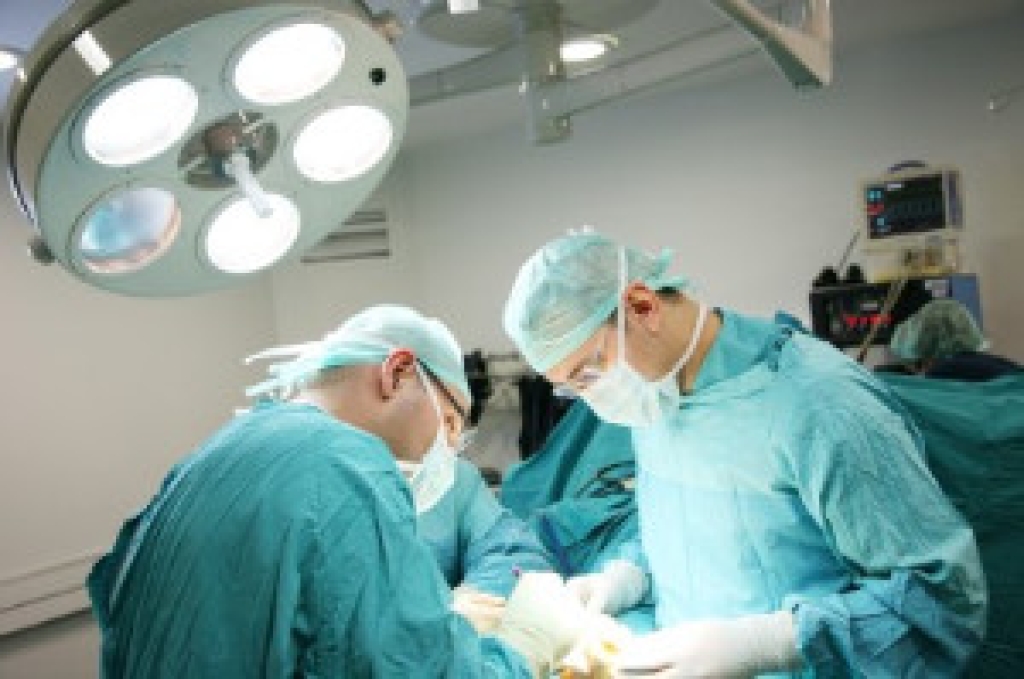
Limb salvage teams have grown in recent years that utilize a number of different treatments to save the infected limb. This includes podiatrists that specialize in wound care, rehabilitation, orthotics, and surgery. Through a combination of these methods, limb salvage has been found to be an effective treatment for infected limbs, and as an alternative to amputation. Podiatrists will first evaluate the potential for limb salvage and determine if the limb can be saved or must be amputated.
If you have any questions, please feel free to contact our offices located in Bradenton, and Sarasota, FL . We offer the newest diagnostic and treatment technologies for all your foot care needs.
